
By Coy Du, CEO of Makefay
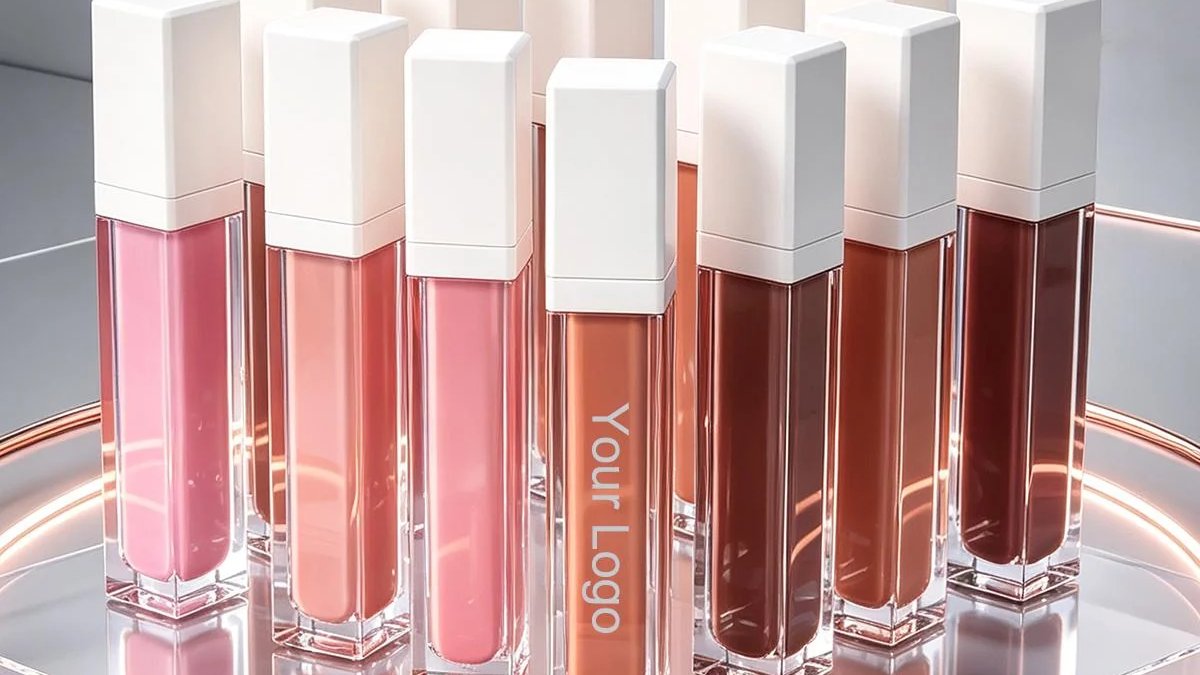
Short answer: you do not need a factory, a chemist or a large budget to start a makeup line. Choose two or three ready-made products from a private label vendor, add your logo, and test the market with a small first order. At Makefay the minimum order quantity (MOQ) for ready-made products with your logo is 50 pieces, shades can be mixed, and in-stock products ship in 2–10 working days, with a further 5–10 days to add your logo.
I run a private label makeup company in Shenzhen, and most of the people who write to us are launching their first line. Their worries are nearly always the same: “How much stock do I have to buy?”, “What if it does not sell?” and “What am I responsible for legally?”. This guide answers those questions in the order you will meet them.
The Three Ways to Start, Compared
| Route | What you customize | MOQ at Makefay | Production time | Suits |
|---|---|---|---|---|
| Private label, in-stock product | Your logo on existing formula and packaging | 50 pcs, shades mixable | 2–10 working days, plus 5–10 days to add your logo | First order, market testing |
| Private label + custom box | Logo plus your own printed box | 500 pcs for the box | About 7 days for the box | Retail and gifting |
| OEM, custom-made packaging | Packaging shape, colour, mould | 12,000 pcs (powder jars 5,000, palette cases 500) | About 30 days | Brands with proven sales |
My advice to a first-time founder is simple: start in the first row. You can move a best seller to the second or third row later. You cannot easily get rid of 12,000 units of a product nobody bought.
Step 1: Pick a Customer Before You Pick Products
The brands that struggle usually start from “I want a makeup line”. The ones that sell start from “I sell to this group of people through this channel”. Write down who buys, where they buy and what they pay today. That one line decides your products, shades, packaging and price.
Step 2: Start with Two or Three Hero Products
A full range spreads a small budget too thin. Lip products are the most common first choice because they are light to ship, easy to photograph and sell in several shades. Browse our private label makeup products and shortlist the few that fit your customer.
| If your customer is… | A sensible first range |
|---|---|
| Social media followers, impulse buyers | Lip gloss or lip oil in 4–6 shades |
| Salon or lash studio clients | Brow pencil, brow gel, lash serum |
| Makeup artists | Eyeshadow palette, setting powder, setting spray |
| Gift and seasonal buyers | Lip set with a custom box |
Step 3: Work Out the Real Budget
The unit price is only part of the cost. New buyers are most often surprised by the items in the lower half of this table.
| Cost | When it applies | Who to ask |
|---|---|---|
| Products with logo printing | Every order | Your vendor |
| Samples | Before the first order | Your vendor |
| Custom box or packaging | Only if you choose it | Your vendor |
| International shipping | Every order | Vendor or your freight forwarder |
| Import duties and taxes | Depends on your country | Your customs authority or forwarder |
| Testing, certification, notification | Depends on your market | Vendor and your regulator |
| Photos, store, marketing | Launch | Your own team |
We do not publish prices because they depend on the product, quantity and customization. Send an inquiry and we quote for your order.
Step 4: Test Samples the Way a Customer Would
Photos do not show texture, wear or scent. Wear the sample for a full day, check it after eating and drinking, try it on more than one skin tone and leave it in a warm place to see how it behaves. Colours on screen differ from the real product, so confirm shades from samples, not from a shade chart alone.
Step 5: Get the Logo Right
Your logo is the only thing that makes a stock product yours, so this is where to be fussy. Methods include stickers, screen printing, UV printing, hot stamping, holographic printing and embossing or debossing, and each suits different packaging. Compare real examples on our logo printing page, and check the digital proof for size, position, colour and spelling before you approve it. The factory follows the proof exactly.
Step 6: Check the Rules Before You Order
In most markets the brand owner, not the factory, is legally responsible for the product. Two examples:
- United States: under MoCRA, a responsible person must list each marketed cosmetic product with the FDA, including its ingredients, and certain small businesses are exempt from some requirements. See the FDA’s MoCRA page.
- European Union: products must be notified through the CPNP under Regulation (EC) No 1223/2009. See the European Commission’s CPNP page.
This is general information, not legal advice. If your market requires certifications, test reports or a notification, tell us before you order. We arrange them and file them in your company’s name. Our guide to selling makeup in the EU and US goes further.
Step 7: Order, Pay and Ship
- Confirm products, shades, quantities and logo method.
- Approve the quote and the digital proof.
- Pay by T/T, PayPal, credit card, Western Union or L/C. See payment methods.
- We produce, inspect and ship from Shenzhen. See shipping information.
Step 8: Treat the First Order as a Test
Track which products and shades sell and what customers ask for. Reorder the winners in larger quantities, drop the slow sellers and add one or two products at a time. A product that sells steadily for several reorders is a good candidate for a custom box or custom packaging.
Mistakes That Cost New Brands Money
| Mistake | Why it hurts | What to do instead |
|---|---|---|
| Launching 20 products at once | Budget and attention are spread thin | Launch 2–3, expand from sales data |
| Skipping samples | Returns and bad reviews | Test for several days first |
| Approving the proof in a hurry | A wrong logo cannot be undone | Check size, position, spelling |
| Ignoring duties and compliance | Goods held at customs, surprise costs | Ask before you order |
| Custom-made packaging on day one | Large stock before demand is proven | Start with stock packaging |
Related guides: what a private label makeup line costs to start, how private label makeup samples work, private label makeup lead times.
FAQ
How many pieces do I need to start a makeup line?
With Makefay, 50 pieces of a ready-made product with your logo, and you can mix shades within the order.
How long does a first order take?
In-stock products ship in 2–10 working days, and adding your logo takes a further 5–10 days. Shipping time is extra and depends on the destination and the method.
Do I need my own formula to start?
No. Private label uses formulas that are already developed and in production. Custom formulas are an OEM service with a higher MOQ.
Can I change to my own packaging later?
Yes. Many brands start with stock packaging and move to custom boxes from 500 pieces, or to custom-made packaging once sales are proven.
How do I start a makeup brand with a small budget?
Start with private label: choose two or three ready-made products, add your logo and order the minimum. At Makefay that is 50 pcs per product. Add a printed box and custom shades once the first products sell.
Which product should a new makeup brand launch first?
A product that is easy to choose online, cheap to ship and bought again. Lip gloss and lip oil are common first products for that reason. Launch two or three products and add more after you see what sells.
About the author: Coy Du is the CEO of Shenzhen Makefay Cosmetics Co., Ltd., a private label cosmetics company in Shenzhen, China, founded in 2014. About Makefay.