
By Coy Du, CEO of Makefay
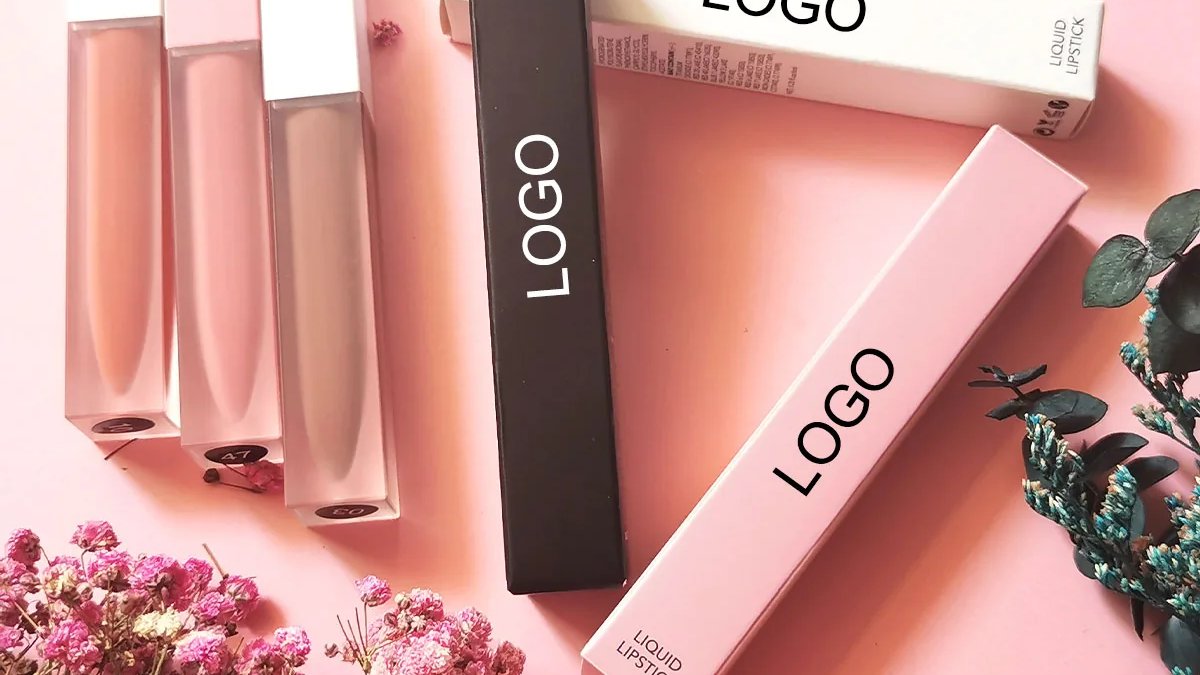
Short answer: private label means putting your logo on a product that already exists. OEM means the factory makes a product to your specification, such as your own packaging, shade or formula. ODM means the factory designs the product and you sell it under your brand. For a new brand with a limited budget, private label is almost always the right first step, because it has the lowest MOQ, the lowest cost and the shortest lead time.
Buyers often ask us for “OEM” when what they need is private label, and that confusion costs them weeks. This guide explains the three models in plain terms, and when to move from one to the next.
Private Label vs OEM vs ODM at a Glance
| Private label | OEM | ODM | |
|---|---|---|---|
| Formula | Existing, already in production | Yours, or adjusted to your brief | Designed by the factory |
| Packaging | Existing stock packaging | Custom shape, colour or mould | Designed by the factory |
| Your input | Logo, shades, box | Specification and approval at each stage | Choose from the factory’s designs |
| MOQ | Low | High | Medium to high |
| Lead time | Short | Long | Medium |
| Upfront cost | Low | High: samples, moulds, larger stock | Medium |
| Uniqueness | Lower: others can buy the same base product | High | Medium |
| Best stage | Launch and market testing | Proven products, scaling | Brands that want something new without their own R&D |
In practice the terms overlap, and suppliers use them loosely. What matters is not the label but four questions: who owns the formula, who pays for moulds, what the MOQ is, and how long it takes.
White Label vs Private Label Makeup
White label makeup is a ready-made product that a supplier sells to many brands, each under its own name. Private label makeup is described the same way by most suppliers and buyers, so in practice the two terms mean the same thing: you choose an existing product and shades, and the supplier adds your logo.
| Term | What buyers usually mean | At Makefay |
|---|---|---|
| White label | A ready-made product, your logo, no changes to the formula | Ready-made products with your logo from 50 pcs |
| Private label | The same, sometimes with a printed box or small changes | The same products, with a printed box from 500 pcs if you want one |
| OEM | A product made to your specification | Custom shade, formula or packaging; sampling USD 150, 7–10 days |
| ODM | A product the factory designs for you to brand | In practice, our ready-made range: existing designs sold under your brand |
Some writers use “private label” for a product that is exclusive to one brand. If exclusivity matters to you, ask the supplier whether other brands can buy the same formula and packaging. For ready-made products the answer is normally yes, and an exclusive product is an OEM order.
What Each Model Looks Like at Makefay
| Option | MOQ | Time | Notes |
|---|---|---|---|
| In-stock product with your logo | 50 pcs, shades mixable | 2–10 working days, plus 5–10 days to add your logo | Logo by sticker, screen print, UV print, hot stamping, holographic, embossing or debossing |
| Custom printed box | 500 pcs | About 7 days | Added to an in-stock product |
| Custom-made packaging | 12,000 pcs (powder jars 5,000, palette cases 500) | About 30 days, palettes about 25 | From 1,000+ stock styles or a new mould |
| Custom formula or packaging sample | 1 sample, USD 150 | 7–10 days | Before any OEM order |
| Custom colour, new mould | Quoted by quantity | Quoted | Paid by the customer |
See in-stock products for private label and OEM services for customization.
When Private Label Is the Right Choice
- You are launching your first products and do not yet know what will sell.
- Your budget has to cover marketing as well as stock.
- You want to be selling within weeks, not months.
- You run a salon, studio or store and want your own branded range.
The usual objection is “other brands can sell the same product”. That is true, and it matters less than founders expect. Customers buy the brand, the shades you chose, the packaging and the way you present it. Your logo method and box do more for a new brand than a unique formula.
When to Move to OEM
- A product has sold steadily over several reorders, so the larger MOQ is no longer a gamble.
- You need a shade, finish or claim that stock products do not offer.
- You sell through retailers who expect packaging that is clearly yours.
- You want to protect your position against competitors using the same base product.
Before any OEM project, agree in writing who owns the formula and the mould, what the reorder MOQ is, and what happens if the sample needs more than one revision. These are the points that cause disputes later.
The Path We Recommend
| Stage | Model | What you learn |
|---|---|---|
| 1. Launch | Private label, stock packaging, 50 pcs per product | Which products and shades sell |
| 2. Build | Same products with a custom box from 500 pcs | Whether presentation lifts price and repeat orders |
| 3. Scale | OEM packaging for the best sellers | How to hold larger stock profitably |
| 4. Differentiate | Custom shades or formulas | What makes your brand hard to copy |
Each stage is paid for by the sales of the one before. Skipping to stage 3 is the most expensive mistake we see new brands plan.
FAQ
Is private label makeup lower quality than OEM?
No. Private label products come from the same production lines as OEM products. The difference is how much is customized, not how it is made.
Can I start with private label and switch to OEM later?
Yes, and it is the route we recommend. Start with in-stock products from 50 pieces, then move your best sellers to custom boxes or custom-made packaging.
What is the MOQ for OEM makeup packaging?
At Makefay custom-made packaging starts at 12,000 pieces, with powder jars at 5,000 and palette cases at 500. Custom printed boxes start at 500 pieces.
Who owns the formula in a private label product?
The supplier. With a custom formula, ownership should be agreed in writing before the project starts.
What is white label makeup?
White label makeup is a ready-made product that a supplier sells to many brands, each under its own name. You choose the product and shades, and the supplier adds your logo.
Is white label the same as private label?
For most makeup suppliers and buyers, yes. Both mean a ready-made product sold under your brand. If you need a product nobody else can buy, that is an OEM order.
What does OEM mean in cosmetics?
OEM means the supplier makes a product to your specification, such as your own shade, formula or packaging, and you sell it under your brand.
What is an ODM product?
An ODM product is designed by the factory. You choose it from the factory’s developments and sell it under your brand.
About the author: Coy Du is the CEO of Shenzhen Makefay Cosmetics Co., Ltd., a private label cosmetics company in Shenzhen, China, founded in 2014. About Makefay.