
By Coy Du, CEO of Makefay
Short answer: there are six common ways to put a logo on makeup packaging. A sticker is the most flexible and suits a first order. Screen printing gives a clean, durable one-colour or two-colour logo. UV printing reproduces multi-colour and gradient artwork. Hot stamping adds metallic gold or silver. Holographic printing or stamping gives a rainbow, light-shifting finish. Embossing or debossing raises the logo from the surface or presses it in, without ink. The right choice depends on your artwork, the packaging material and the look you want.
The logo is where a private label product becomes your brand, and it is also where we see the most avoidable mistakes: artwork that is too fine to print, colours that vanish on a dark tube, a method chosen for price that does not match the brand. This guide is the conversation we have with customers before the proof.
The Six Logo Methods Compared
| Method | Look | Colours | Best on | Choose it when |
|---|---|---|---|---|
| Sticker | Printed sticker applied to the packaging | Any, including full colour | Tubes, bottles, jars, boxes | First order, many shades, artwork that may change |
| Screen printing | Ink printed directly on the surface; crisp and slightly raised | Solid colours, usually one or two | Tubes, bottles, compacts | Simple logo, clean minimalist look |
| UV printing | Full-colour artwork printed directly on the surface | Multi-colour, gradients, patterns | Flat or gently curved surfaces, palette lids | Illustrated or multi-colour designs |
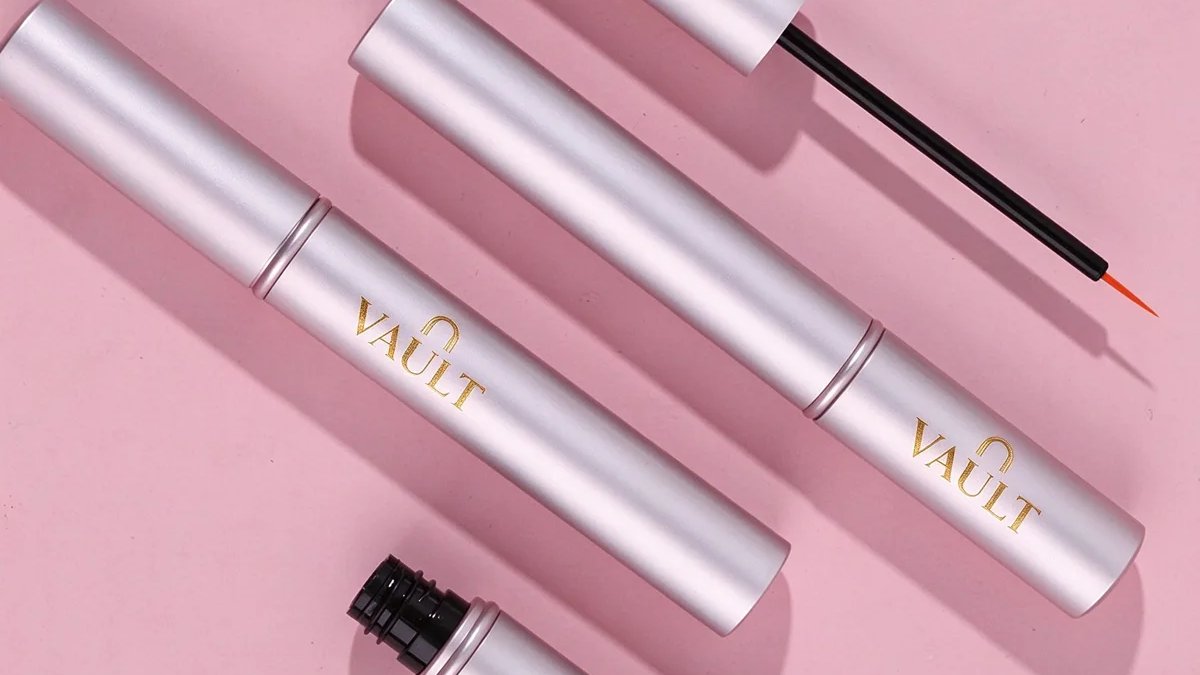
| Hot stamping | Metallic foil pressed onto the surface | Gold or silver | Caps, tubes, compacts, boxes | Premium, classic or gift positioning |
| Holographic printing or stamping | Rainbow foil that shifts with the light | Holographic | Caps, tubes, boxes | Younger, trend-led or festival brands |
| Embossing or debossing | Logo raised from the surface or pressed into it | No ink; the logo takes the colour of the material | Depends on the packaging material; we confirm it for your product | Understated, tactile, premium feel |
Real examples of each method are on our logo printing page.
Which Method Fits Your Brand?
| Your situation | Method to consider first |
|---|---|
| Testing the market with 50 pieces per product | Sticker or one-colour screen print |
| Minimalist brand, black or white logo | Screen printing |
| Logo with gradients, several colours or an illustration | UV printing or a sticker |
| Luxury or gift positioning | Hot stamping in gold or silver |
| Bold, playful, social-media-led brand | Holographic |
| Clear tube where the product colour shows through | Screen print or hot stamping in a contrasting colour |
| Dark or black packaging | White screen print, or gold, silver or holographic stamping |
| Quiet, tactile branding with no ink | Embossing or debossing |
Four Things That Decide How Your Logo Looks
1. Contrast. The most common disappointment is a logo that cannot be read. A pink logo on a clear tube of pink gloss disappears. Decide the logo colour against the product colour, not against a white screen.
2. Size and line weight. A lip gloss tube gives you a print area only a few centimetres tall. Thin strokes, small taglines and fine serif details can fill in or break up. If your logo has a tagline, be ready to drop it on small packaging.
3. Surface. Curved, textured, frosted and soft-touch surfaces take ink and foil differently. A method that looks sharp on a flat compact may not suit a narrow curved tube. Ask which methods suit the specific packaging you chose.
4. Consistency across the range. One method across all products makes a small range look like a brand. Mixing a sticker on one product, gold on another and screen print on a third looks unplanned.
Preparing Your Artwork
- Send a vector file where you can. Vector formats such as AI, PDF, EPS or SVG scale without blurring; a small screenshot or a photo of a logo does not.
- Convert text to outlines so the font does not change on our side.
- Say which colours you want. For solid colours a Pantone reference removes guesswork.
- Send a version for light packaging and one for dark packaging if you have both.
- Tell us where you want the logo: position, direction and approximate size.
File requirements and the sampling method depend on the product and the logo method, so we confirm them with your inquiry. If you only have a rough logo, send what you have and we will tell you whether it is usable.
What to Check on the Digital Proof
Before production you receive a digital proof showing the logo on your product. The factory follows it exactly, so check it line by line.
| Check | Ask yourself |
|---|---|
| Spelling | Is every letter and accent correct? |
| Size | Is the logo readable at actual size, not zoomed in? |
| Position | Is it centred and straight? Which way does it read when the product stands or lies down? |
| Colour | Does it contrast with the packaging and the product inside? |
| Method | Is it the method you agreed? |
| Every product | Has each product and each packaging style its own proof? |
Can I Print a Logo on a Small Order?
Yes. At Makefay the MOQ for ready-made products with your logo is 50 pieces, and shades can be mixed. Which methods are available at that quantity depends on the product, so tell us the product and your logo and we will confirm the options and the cost in the quote. You can also add a custom printed box from 500 pieces.
FAQ
What is the cheapest way to put a logo on makeup packaging?
A sticker is usually the most economical and flexible option for a first order, followed by one-colour screen printing. The cost depends on the product and quantity, so it is confirmed in the quote.
What is the difference between screen printing and hot stamping?
Screen printing applies ink in solid colours directly to the surface. Hot stamping presses a metallic foil, usually gold or silver, onto the surface for a shiny finish.
What file format should my logo be in?
A vector file such as AI, PDF, EPS or SVG is preferred because it stays sharp at any size. The exact requirements are confirmed with your inquiry.
Will I see my logo on the product before production?
Yes. You receive a digital proof and approve it before production starts.
About the author: Coy Du is the CEO of Shenzhen Makefay Cosmetics Co., Ltd., a private label makeup manufacturer in Shenzhen, China, founded in 2014. About Makefay.